

The gist:
- Cabinet durability depends most on box material, door construction, and finish quality, not just style.
- Plywood boxes and solid-wood or edge-banded doors hold up better to Montana’s dry winters and humid cooking seasons than basic particleboard.
- Matching cabinet storage to how you actually cook and clean prevents wasted space and premature wear.
Durable kitchen cabinets for a Helena home start with solid construction choices: plywood or hardwood boxes, properly sealed edges, and finishes rated for moisture and daily wear. Getting this right the first time saves homeowners from costly replacements within a decade.
Homeowners researching Kitchen Cabinets in Bozeman, MT often discover that the same construction standards apply across southwest Montana, since indoor humidity swings and temperature changes affect cabinetry similarly in both cities. Helena’s dry winters followed by humid summer cooking seasons put real stress on cabinet boxes and door joints. Choosing materials built for that cycle matters more than picking a trendy finish.
What Makes a Kitchen Cabinet Durable
Cabinet longevity comes down to three factors: the box material, the door and drawer construction, and the finish applied over both.
- Box material: Plywood resists swelling and holds screws better than particleboard over time.
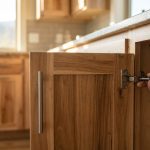
- Door and drawer joinery: Solid wood or properly edge-banded MDF doors resist chipping at corners and edges.
- Finish type: Polyurethane and catalyzed lacquer finishes shed moisture and stains better than basic paint.
Industry rankings consistently note that many experts agree that solid hardwood is at the top of the list, with plywood as a close second, thanks to superior moisture and impact resistance. For budget-conscious remodels, moisture-resistant MDF is a reasonable middle ground, though like solid wood, MDF has moisture as enemy number one, and standard MDF can swell and deteriorate if it’s exposed to water regularly.
Matching Materials to Helena’s Climate
Montana homes experience wide humidity swings between heating season and summer cooking months. Cabinet performance depends heavily on how well materials handle that shift.
| Material | Moisture Resistance | Typical Lifespan | Best Use |
| Solid wood | High | Decades with care | Statement cabinetry, high-visibility areas |
| Plywood | Moderate-high | 20+ years | Cabinet boxes, sink base, wet zones |
| Moisture-resistant MDF | Moderate | 15-20 years | Painted doors, drawer fronts |
| Standard particleboard | Low | Shorter service life | Budget projects, dry zones only |
Reference data compiled from industry material comparisons shows solid wood rated high in durability and cost, plywood rated moderate-high in durability at moderate cost, and HDF rated moderate durability at low cost. Edge treatment matters just as much as the core material. Builders following current planning standards know that quality cabinetmakers use solid-wood edge banding on high-wear areas such as door edges, since exposed edges need proper priming and painting to prevent moisture infiltration.
Professional guidance from the National Kitchen & Bath Association’s planning guidelines addresses ventilation, storage systems, and material performance standards that directly affect how long cabinetry holds up in daily use. These guidelines inform professional-grade cabinet specification across the industry, not just for luxury remodels.
Steps to Choosing Cabinets That Last
- Assess your cooking habits. Heavy daily cooking calls for sturdier box materials and reinforced hinges near the range.
- Check construction specs before style. Ask about box material, drawer glide type, and door edge treatment.
- Prioritize finish quality in wet zones. Sink and dishwasher-adjacent cabinets need the most moisture-resistant finish available.
- Plan storage around real use. Deep drawers for pots, vertical dividers for trays, and pull-outs near prep areas reduce wear from constant digging through shelves.
- Maintain hardware regularly. Hinges and slides wear faster than the cabinet box itself and are easier to replace proactively.
Routine care extends cabinet life significantly. Simple habits like cleaning regularly with a mild detergent and soft cloth while avoiding abrasive cleaners, keeping cabinets dry to prevent warping and mold growth, and using kitchen fans and dehumidifiers as needed protect the investment for years.
Frequently Asked Questions
How long should quality kitchen cabinets last? Well-built cabinets using solid wood or high-grade plywood can last several decades when properly maintained and protected from excess moisture.
Is plywood or particleboard better for cabinet boxes? Plywood generally outperforms particleboard in moisture resistance and screw-holding strength, making it the better choice for cabinet boxes in humid-prone areas like sink bases.
What finish holds up best in a busy kitchen? Catalyzed lacquer and polyurethane finishes resist moisture, stains, and scratching better than standard painted finishes, especially around cooking and cleanup zones.
Do painted MDF doors need special care? Yes. Edges should be properly sealed and primed, and spills near MDF doors should be wiped promptly to prevent swelling at joints and edges.
Choosing cabinets built for Montana’s climate and your household’s daily routine pays off for decades, not just at move-in. Homeowners in Helena and across southwest Montana can turn to Silver City Stone, Cabinetry & Tile for custom cabinetry designed and installed to match how a kitchen actually gets used. Working with a team familiar with regional material performance helps avoid guesswork and costly do-overs down the line.