

In brief:
• Proper insulation reduces drafts, stabilizes indoor temperatures, and lowers heating and cooling costs year-round.
• Madison’s cold winters and humid summers make professional insulation work especially impactful for local homeowners.
• A qualified contractor assesses your home’s specific needs and applies the right materials and methods for lasting results.
A qualified residential insulation contractor in Madison, WI, addresses the root causes of uncomfortable homes: air leaks, thermal gaps, and under-insulated building envelopes. Hiring a professional rather than patching problems yourself means the work is done correctly the first time, with materials matched to Wisconsin’s demanding climate.
Why Madison Homes Lose Comfort Without Proper Insulation
Air that leaks through a home’s envelope – the outer walls, windows, doors, and other openings — wastes a lot of energy and increases utility costs. In Madison, that problem is amplified by winters that push temperatures well below freezing and summers that bring significant humidity.
Nine out of ten homes in the U.S. are under-insulated. That statistic is especially relevant in older Madison neighborhoods, where building envelopes may never have met modern performance standards. The result is a home that feels drafty in January, stuffy in July, and expensive to condition all year long.
At its core, insulation acts as a barrier that reduces heat transfer between a home’s interior and the outside environment. In colder months it helps retain warm air indoors, while in warmer seasons it prevents outdoor heat from infiltrating. This balance ensures consistent indoor temperatures throughout the year.
What a Professional Contractor Does Differently
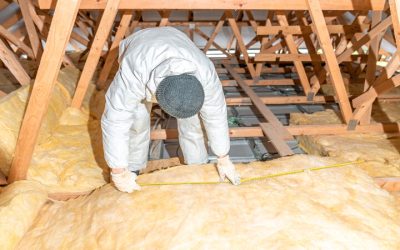
A professional insulation contractor does more than install material – they diagnose where a home is losing conditioned air and select the right product for each location. Common application areas include attics, exterior walls, basements, crawl spaces, and rim joists.
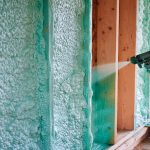
Spray foam insulation covers attics, walls, basements, and crawlspaces, creating airtight seals that enhance energy efficiency and comfort. Contractors also offer blown-in insulation for existing wall cavities and insulation removal when older material has degraded or been compromised by moisture.
The table below compares the most common residential insulation types a contractor may recommend:
| Insulation Type | Best Application | Key Benefit |
| Closed-cell spray foam | Rim joists, exterior walls | Highest R-value per inch, vapor barrier |
| Open-cell spray foam | Attics, interior walls | Sound dampening, air sealing |
| Blown-in cellulose | Existing wall cavities, attics | Cost-effective coverage of irregular spaces |
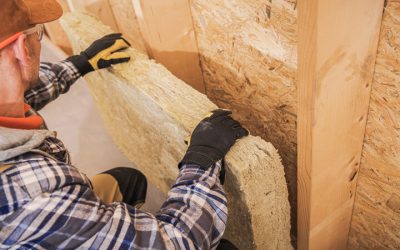
| Batt (fiberglass) | New construction wall bays | Straightforward installation in open framing |
One crucial factor is the insulation’s R-value, a measure of its thermal resistance. The higher the R-value, the greater the insulation’s effectiveness at resisting heat flow, resulting in improved energy savings and comfort.
Employees at professional insulation firms go through industry-leading training programs and are educated in product knowledge, advanced application techniques, and building science and safety standards. That level of preparation separates a trained contractor from a general handyman approach.
Energy Savings and Comfort Gains You Can Expect
The financial case for professional insulation is well documented. According to the ENERGY STAR program, the EPA estimates that homeowners can save an average of 15% on heating and cooling costs by air sealing their homes and adding insulation in attics, floors over crawl spaces, and basements.
Improved insulation directly enhances indoor comfort by preventing drafts and maintaining stable humidity levels. This creates healthier indoor air quality, reducing the risk of mold and allergens that can lead to respiratory problems.
The financial benefits of insulation are immediate and long-lasting. Because a home is better equipped to maintain indoor temperatures, homeowners see noticeable savings on monthly energy bills. Over time, those savings can offset the cost of insulation upgrades, making it a smart investment.
Frequently Asked Questions
How do I know if my home needs more insulation? Common signs include uneven room temperatures, high heating or cooling bills, drafts near windows and exterior walls, and ice dams forming on the roof in winter. A contractor can perform a walkthrough assessment to identify weak points.
What areas of a home benefit most from insulation upgrades? Attics are typically the highest priority because heat rises and escapes readily through an under-insulated roof assembly. Rim joists, crawl spaces, and basement walls are also frequent sources of significant heat loss in Wisconsin homes.
Is spray foam better than blown-in insulation? It depends on the application. Spray foam excels where air sealing is the primary goal, such as rim joists and irregular cavities. Blown-in cellulose or fiberglass is often the more practical choice for topping up existing attic insulation without major disruption.
Are there financial incentives for upgrading residential insulation? Homeowners can claim up to $1,200 annually for qualifying improvements, including insulation, under the Energy Efficient Home Improvement Credit. Wisconsin’s Focus on Energy program may also offer utility rebates for eligible upgrades.
If you are ready to address comfort and efficiency issues in your Madison home, FoamTech Insulation of Wisconsin LLC serves residential customers throughout South-Central Wisconsin. To find out more about insulation services, contact FoamTech Insulation of Wisconsin LLC at (608) 873-6188.